

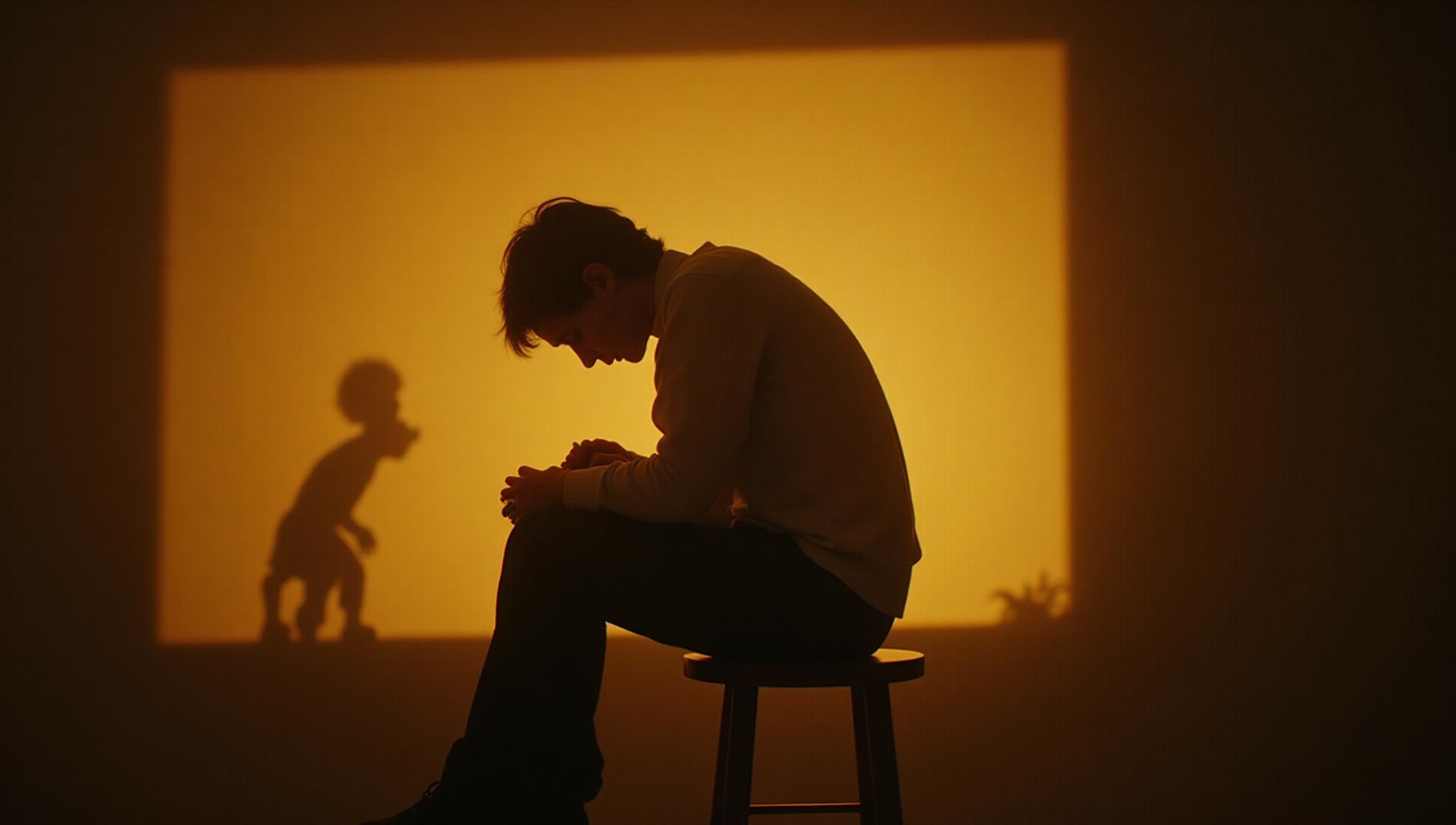
Why Creative People Carry Deeper Trauma
After over a decade of working with actors, writers, musicians, comedians, and every kind of creative in between, I've noticed something that most people don't talk about: creative struggles are almost never about talent. Almost never.
What I see, again and again, are early emotional injuries—wounds from childhood that taught people to silence themselves, to overperform, or to disappear entirely. These aren't character flaws. They're survival strategies that made sense once, but now they're getting in the way of the work you were meant to do.
How Trauma Shows Up in Creative Lives
When I sit with creative clients, the patterns are remarkably consistent. Here's what I see over and over:
Fear of visibility. You want to be seen—you need to be seen for your work to matter—but some part of you is terrified of it. You might sabotage yourself right before a breakthrough, pull back just when you're gaining momentum, or avoid putting your work out at all.
Perfectionism. Nothing is ever good enough. You rewrite endlessly, you can't finish projects, you torture yourself over details no one else would notice. Underneath the perfectionism is usually a childhood message: you had to be perfect to be loved, or to be safe, or to matter.
Imposter syndrome. No matter how much you accomplish, there's a voice that says you don't belong, you got lucky, you'll be found out. That voice usually sounds a lot like someone from your past.
Shame cycles. One piece of criticism sends you spiraling for days. You beat yourself up for not being further along. You compare yourself to others and always come up short.
The pressure to "always be on." You've learned to perform in every situation—not just on stage, but in relationships, at dinner parties, on social media. It's exhausting, and you're not sure who you are underneath it all.
Dry spells that trigger self-doubt. Every creative goes through fallow periods. But for those carrying trauma, these moments can feel like confirmation of your deepest fears: you're not actually creative, you never were, it's over.
Caring too much about external feedback. Your mood rises and falls with every review, every like, every silence. You know intellectually that this isn't healthy, but you can't seem to stop.
Why Creatives Feel Everything More Deeply
Here's the thing about creative work: it requires you to feel. To access deep wells of emotion, to be porous to the world, to let things in and transform them into something new. This is your gift. But it's also what makes you vulnerable.
When you're in a public career—acting, performing, writing—you're exposed in ways that most people aren't. Every audition is a chance for rejection. Every performance is a chance for judgment. Every piece of work you put out is a piece of yourself, and when it's criticized, it can feel like you're being criticized.
Add to that the pressure of visibility: being seen, being talked about, having your life and work scrutinized by strangers. The algorithms that determine whether your work gets noticed. The silence that sometimes follows your best efforts. The notes from producers or editors that feel like they're saying your instincts are wrong.
If you came into this world with early wounds—and most creatives did—all of this lands harder. It activates old pain. It confirms old beliefs. And it can make the creative life feel impossible, even when it's the only life you've ever wanted.
What Healing Makes Possible
I've watched so many clients transform once they start doing this work. Not overnight—healing is gradual—but real, lasting change.
I've seen people go from paralysis to movement. From years of staring at a blank page to actually finishing projects. From avoiding auditions to walking in with a sense of groundedness they never had before.
I've seen the shift from self-doubt to internal steadiness. When you know who you are—not based on your last review or your follower count, but in your bones—criticism still stings, but it doesn't destroy you. You can take what's useful and leave the rest.
I've watched shame transform into grounded confidence. Not the false confidence of performing wellness, but the real thing: a sense that you're okay, that you belong here, that your voice matters.
And I've seen the exhale—the moment when everything stops feeling so high-stakes. When you can approach your work with curiosity instead of terror. When you can fail and try again without it meaning anything about your worth. When "no big deal, I can breathe again" becomes your actual experience.
If This Sounds Familiar
If any of this resonates—if you're a creative person carrying weight you didn't choose to carry—I'd love to hear your story. No pressure, no sales pitch. Just a real conversation to see if working together might help.
Reach out. I'm listening.